

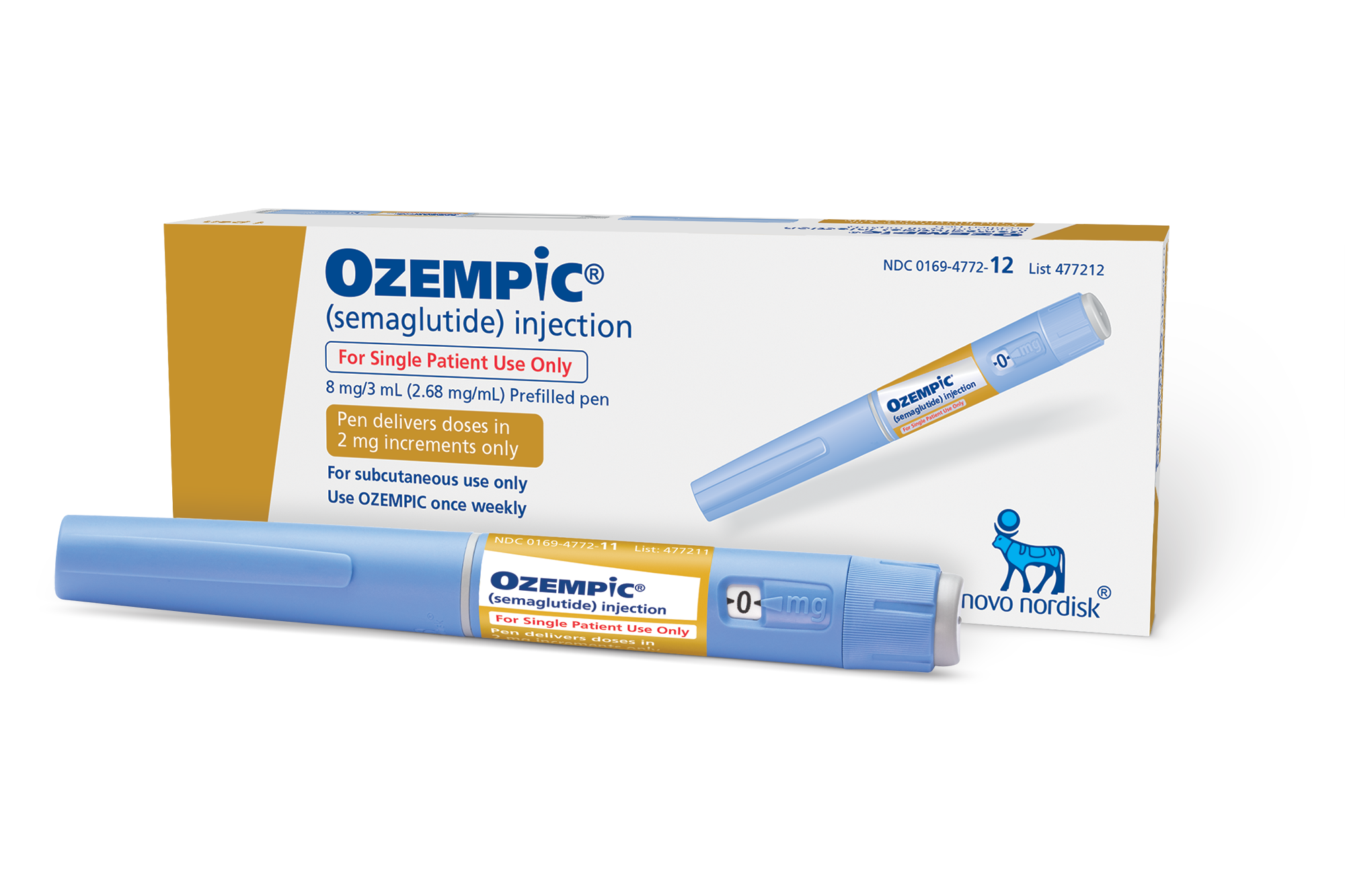
Ozempic 2mg
$240.00
The Ozempic® 2mg dose is the highest available strength for adults with type 2 diabetes requiring maximum glycemic control. This once-weekly injection provides the most potent semaglutide therapy available, offering significant A1C reduction and weight management benefits when lower doses prove insufficient, under strict medical supervision.
Maximum Potency Therapy for Uncontrolled Type 2 Diabetes
The Ozempic® 2mg dose represents the pinnacle of the semaglutide treatment pathway, designed specifically for patients with type 2 diabetes who require the most intensive pharmacologic intervention available in the Ozempic® range. As the maximum approved dosage, this weekly injection delivers the highest concentration of GLP-1 receptor agonist activity, providing robust multi-system effects for individuals with persistent hyperglycemia despite treatment at lower doses. The 2mg strength offers healthcare providers a powerful monotherapy option before resorting to complex multi-drug regimens, potentially simplifying treatment while delivering substantial improvements in both glycemic metrics and cardiovascular risk parameters for appropriate patients.
Comprehensive Metabolic Impact at Maximum Receptor Activation
At the 2mg dose, Ozempic® achieves near-maximal activation of GLP-1 receptors throughout the body, producing amplified effects across all therapeutic mechanisms. This includes potent glucose-dependent insulin secretion, strong suppression of glucagon production, significant slowing of gastric emptying, and enhanced central nervous system satiety signaling. Clinical data demonstrates that the 2mg dose provides the greatest reductions in A1C (averaging 2.0-2.1% from baseline) and fasting plasma glucose among the Ozempic® dosage options. Additionally, this dose typically produces the most pronounced weight loss effects—an average of 6-8% body weight reduction in clinical trials—addressing the obesity-diabetes connection comprehensively. For patients with established cardiovascular disease, the 2mg dose provides optimal cardiovascular risk reduction benefits as shown in outcome studies, making it a valuable option for those with dual metabolic and cardiovascular concerns.
Key Features of the 2mg Maximum Dose:
-
Optimal Glycemic Control: Delivers the most substantial A1C and glucose reductions in the Ozempic® range, helping patients with difficult-to-control diabetes reach their targets.
-
Maximum Weight Management Effect: Provides the greatest weight reduction potential as part of diabetes treatment, addressing a key pathological driver of insulin resistance.
-
Monotherapy Maximization: Allows for full utilization of single-agent therapy before considering additional antidiabetic medications, potentially reducing pill burden and complexity.
-
Enhanced Cardiovascular Protection: Offers the most significant cardiovascular outcome benefits for qualified patients with established heart disease.
-
Therapeutic Certainty: Provides confidence that the maximal GLP-1 receptor agonist benefit has been achieved within the Ozempic® treatment paradigm.
Clinical Guidelines & Safety Management:
-
Dosage Progression Protocol: Reserved for patients who have completed at least 4 weeks at the 1mg dose and require additional glycemic control. Never initiated as starting therapy. Administered as one 2mg subcutaneous injection weekly.
-
Treatment Duration Considerations: Typically considered a long-term maintenance dose once reached. Patients should be periodically reassessed for continued need and tolerability.
-
Specialized Administration Device: Uses a dedicated Ozempic® pre-filled pen specifically calibrated for 2mg dosing. Inject subcutaneously into abdomen, thigh, or upper arm with weekly site rotation.
-
Side Effect Vigilance: Gastrointestinal effects (particularly nausea, vomiting, and diarrhea) are most common and potentially most severe at this dose, especially during the initial weeks after escalation. These usually diminish over 4-8 weeks but require proactive management and patient communication.
-
Comprehensive Monitoring Required: Regular assessment of renal function (serum creatinine), pancreatic enzymes, gallbladder function, and glycemic parameters is essential. Patients with pre-existing diabetic retinopathy require close ophthalmologic monitoring due to potential transient worsening with rapid glycemic improvement.
-
Hydration & Nutritional Guidance: Patients should be counseled on adequate fluid intake and appropriate meal timing/size to mitigate gastrointestinal effects. Dehydration risk is increased at this dose.
-
Absolute Contraindications: Patients with personal or family history of medullary thyroid carcinoma or Multiple Endocrine Neoplasia syndrome type 2 (MEN 2). Not recommended in patients with severe renal impairment (eGFR <30 mL/min) or severe gastrointestinal disease.
-
Hypoglycemia Risk Management: While low when used as monotherapy, risk increases when combined with insulin or insulin secretagogues. May require adjustment of concomitant medications.
Be the first to review “Ozempic 2mg”
Related products
Weight loss & T2 Diabetes
Weight loss & T2 Diabetes
Weight loss & T2 Diabetes
Weight loss & T2 Diabetes
Weight loss & T2 Diabetes
Weight loss & T2 Diabetes
Weight loss & T2 Diabetes
Weight loss & T2 Diabetes
Reviews
There are no reviews yet.