

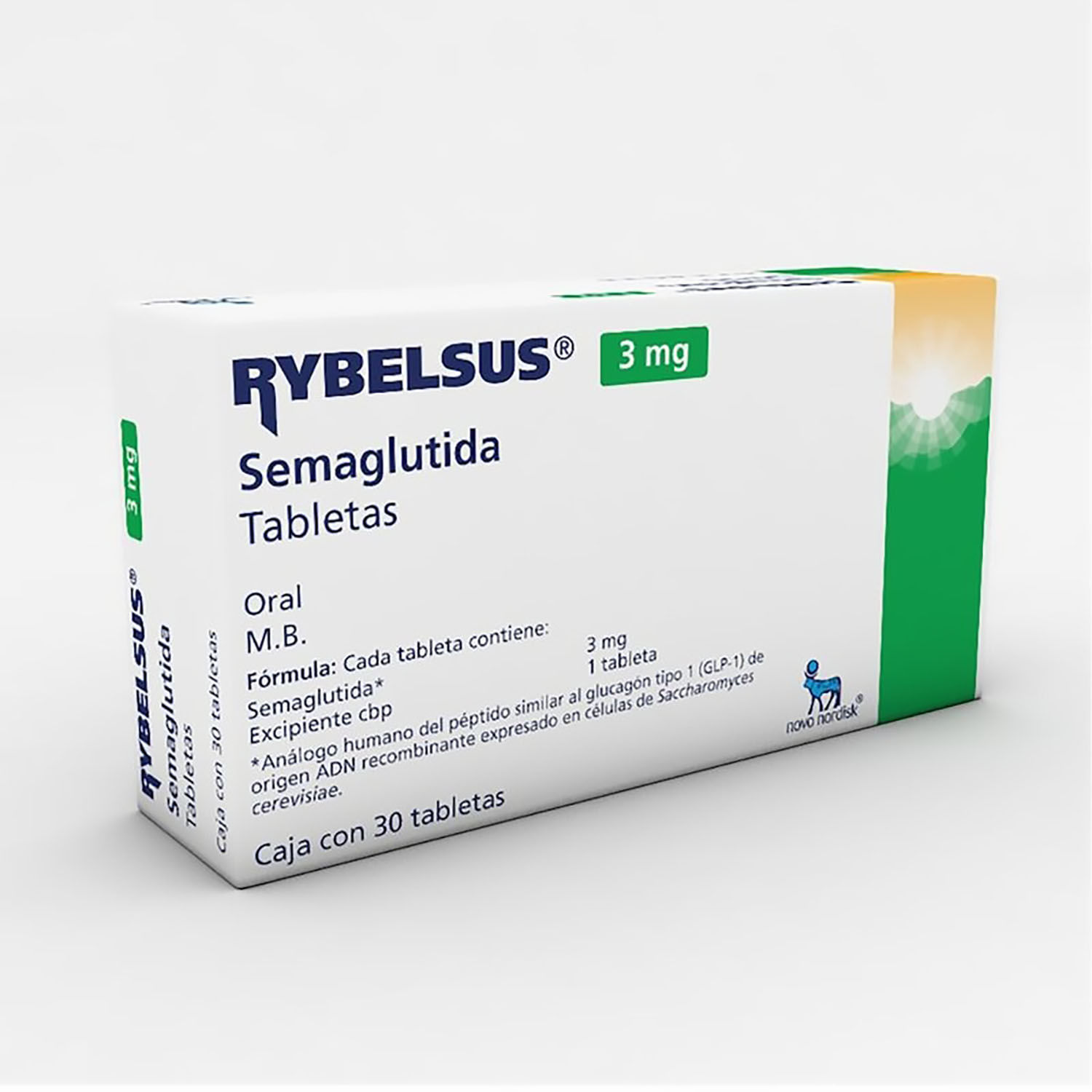
Rybelsus 3mg

Price range: $150.00 through $270.00
Rybelsus® 3mg is the starting dose of the first and only oral GLP-1 receptor agonist for adults with type 2 diabetes. This once-daily tablet provides a convenient, non-injectable option to help improve blood sugar control as an adjunct to diet and exercise, with gradual dose escalation under medical supervision.
The First Oral GLP-1 Therapy: Convenience Meets Innovation
Rybelsus® 3mg tablets introduce patients to a groundbreaking advancement in type 2 diabetes management: the first and only oral glucagon-like peptide-1 (GLP-1) receptor agonist. As the initiation dose in a structured treatment pathway, Rybelsus® 3mg offers the metabolic benefits of GLP-1 receptor activation in a convenient once-daily tablet, eliminating the need for injections that characterize other medications in this class. This innovative formulation utilizes advanced absorption enhancement technology to deliver semaglutide—the same active ingredient found in Ozempic® and Wegovy®—through the gastrointestinal tract and into the bloodstream. The 3mg starting dose allows for gradual acclimation to therapy while beginning to improve glycemic control through multiple mechanisms, including glucose-dependent insulin secretion, glucagon suppression, and slowed gastric emptying.
Oral Administration with Specific Protocol for Optimal Absorption
The Rybelsus® 3mg tablet requires a specific administration protocol to ensure proper absorption and efficacy. Patients must take the tablet on an empty stomach with no more than 4 ounces of plain water at least 30 minutes before the first food, beverage, or other oral medications of the day. This precise timing is crucial because the medication’s absorption enhancer (SNAC) works optimally in the acidic environment of an empty stomach. After taking Rybelsus®, patients must wait at least 30 minutes before eating, drinking (except small sips of water), or taking other oral medications. This initiation dose is typically used for 30 days before escalation to the 7mg maintenance dose, allowing the body to adjust to therapy while establishing the proper administration routine that is essential for treatment success.
Key Features of Rybelsus® 3mg:
-
First Oral GLP-1 Option: Provides the benefits of GLP-1 receptor activation without injections, offering convenience and discretion.
-
Structured Initiation: Serves as the 30-day starting dose before escalation to higher therapeutic doses (7mg or 14mg).
-
Proven Mechanism of Action: Delivers the same multi-factorial benefits as injectable semaglutide, including improved insulin secretion, reduced glucagon, and slowed gastric emptying.
-
Patient-Friendly Format: Tablet form may improve adherence for patients who prefer oral medications or have needle aversion.
-
Flexible Timing: Can be taken anytime in the morning as long as the 30-minute pre-food requirement is maintained.
Clinical Protocol & Administration Guidelines:
-
Dosage Schedule: One 3mg tablet daily for 30 days before dose escalation. Take on an empty stomach with no more than 4 ounces of plain water.
-
Critical Administration Instructions:
-
Take at least 30 minutes BEFORE the first food, beverage, or other oral medications of the day.
-
Swallow tablet whole—do not split, crush, or chew.
-
Wait at least 30 minutes after taking Rybelsus® before eating, drinking (except small sips of water), or taking other oral medications.
-
-
Dose Escalation: After 30 days at 3mg, the dose should be increased to 7mg once daily. If additional glycemic control is needed after at least 30 days at 7mg, may increase to 14mg once daily.
-
Common Side Effects: Nausea, abdominal pain, diarrhea, decreased appetite, vomiting, and constipation. Gastrointestinal side effects are most common during initiation and typically diminish over time.
-
Important Safety Information:
-
Boxed Warning: Risk of thyroid C-cell tumors. Contraindicated in patients with a personal or family history of medullary thyroid carcinoma (MTC) or Multiple Endocrine Neoplasia syndrome type 2 (MEN 2).
-
Pancreatitis: Discontinue if pancreatitis is suspected. Do not restart if pancreatitis is confirmed.
-
Hypoglycemia: Risk increases when used with insulin or insulin secretagogues.
-
Diabetic Retinopathy: Monitor patients with a history of diabetic retinopathy.
-
Acute Kidney Injury: Monitor renal function in patients reporting severe gastrointestinal reactions.
-
-
Medical Supervision: Requires prescription and ongoing monitoring by healthcare provider. Regular assessment of glycemic control and tolerability is essential.
| QUANTITY | 30, 60, 90 |
|---|
Be the first to review “Rybelsus 3mg”
Related products
Weight loss & T2 Diabetes
Weight loss & T2 Diabetes
Weight loss & T2 Diabetes
Weight loss & T2 Diabetes
Weight loss & T2 Diabetes
Weight loss & T2 Diabetes
Weight loss & T2 Diabetes
Weight loss & T2 Diabetes
Reviews
There are no reviews yet.