


B7-33
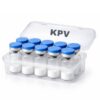
Price range: $100.00 through $350.00
YOUR ORDER COMES WITH;
-
10 VIALS x 5mg of B7-33 Research Peptide
-
FREE: Bacteriostatic Water (30ml), Sterile Syringes (1ml, 29G), and Alcohol Swabs
-
DOSING SCHEDULE: Comprehensive laboratory administration protocol for research models
-
USAGE INSTRUCTIONS: Detailed reconstitution guide, storage parameters, and handling procedures
-
A COPY OF LAB RESULTS: Certificate of Analysis (CoA) confirming purity, sequence, and sterility
B7-33 is a synthetic, metabolically stable analog of apelin-13 engineered as a biased agonist for the apelin receptor (APJ). Supplied for research into cardioprotection, improved cardiac contractility, anti-fibrotic effects, and metabolic regulation without promoting β-arrestin-dependent pathways. This complete research kit includes all necessary components for standardized experimental studies in cardiovascular pharmacology.
Biased Apelin Receptor Agonist for Cardiovascular & Anti-Fibrotic Research
B7-33 is a synthetic 17-amino acid peptide (sequence: QRPRLSHKGPMPF-X-GP, where X denotes a non-natural amino acid substitution for enhanced stability) designed as a metabolically stable, biased agonist of the G-protein coupled apelin receptor (APJ). It is derived from the endogenous peptide apelin-13 but incorporates structural modifications that confer two key research advantages: 1) significant resistance to enzymatic degradation, and 2) biased signaling—it potently activates beneficial G-protein-dependent pathways (e.g., Gαi/o, leading to positive inotropy, vasodilation, and anti-fibrotic signals) while minimizing engagement of β-arrestin pathways, which are associated with receptor internalization and potential detrimental effects like hypertrophy. In research settings, B7-33 serves as a sophisticated tool to dissect the therapeutic potential of selectively modulating the APJ receptor, allowing scientists to isolate G-protein-mediated cardioprotective, inotropic, and anti-remodeling effects in models of heart failure, ischemia-reperfusion injury, and tissue fibrosis. Supplied as a lyophilized powder, this research-grade peptide is intended strictly for controlled, non-human laboratory studies exploring next-generation cardiovascular therapeutics and GPCR pharmacology.
Complete Research Kit Contents & Verification
Each research order provides a complete experimental package designed for advanced cardiovascular and pharmacological research:
-
Primary Research Compound: 10 sterile glass vials containing 5mg of lyophilized B7-33 peptide powder per vial.
-
Reconstitution Solution: 30ml vial of sterile Bacteriostatic Water (0.9% Benzyl Alcohol) for experimental use.
-
Laboratory Administration Tools: Pack of sterile 1ml insulin syringes (29G x 1/2″) for precise measurement and transfer.
-
Sterilization Supplies: Individually wrapped alcohol prep swabs.
-
Research Protocol Documentation:
-
Dosing Schedule: Administration protocol for research models focusing on cardiovascular function (e.g., Langendorff heart, pressure-volume loop studies, myocardial infarction models) and anti-fibrotic studies (e.g., models of cardiac, renal, or pulmonary fibrosis).
-
Usage Instructions: Comprehensive guide covering reconstitution, storage conditions (-20°C to -80°C recommended for long-term stability of the modified peptide), handling safety, and experimental design considerations for assessing inotropy, fibrosis, and biased signaling (e.g., using BRET/FRET biosensors).
-
-
Quality Verification: Certificate of Analysis (CoA) provided with each batch, detailing:
-
Purity Analysis (>97% by HPLC/UPLC)
-
Critical Structural Verification (Mass Spectrometry):
-
Full 17-amino acid sequence confirmation
-
Verification of the key non-natural amino acid substitution (critical for stability and bias)
-
Confirmation of N-terminal Gln pyroglutamation if present
-
-
Molecular Weight: ~2000 Da (exact weight depends on modifications)
-
Sterility Testing Results
-
Endotoxin Levels (<10 EU/mg) – Important for cardiovascular research.
-
Residual Solvent Analysis
-
Net Peptide Content
-
Research Applications & Scientific Utility
In a laboratory setting, B7-33 enables cutting-edge investigation into biased GPCR agonism and its therapeutic potential. Primary research applications include:
-
Heart Failure & Contractility Research: Studying positive inotropic effects without promoting maladaptive hypertrophy in isolated cardiomyocytes, myocardial strips, or in-vivo models of heart failure (e.g., transverse aortic constriction).
-
Ischemia-Reperfusion Injury: Researching cardioprotective effects on infarct size, apoptosis, and functional recovery in Langendorff or in-vivo myocardial infarction models.
-
Anti-Fibrotic Mechanisms: Investigating inhibition of fibroblast activation and collagen deposition in models of cardiac, renal, or pulmonary fibrosis.
-
Biased Signaling Pharmacology: Serving as a prototype biased agonist in studies comparing signaling outcomes (cAMP inhibition, ERK phosphorylation, β-arrestin recruitment) between biased and balanced APJ agonists.
-
Metabolic Studies: Exploring effects on insulin sensitivity and energy metabolism, given the APJ receptor’s role in adipose tissue and skeletal muscle.
Laboratory Handling & Safety Protocol
-
Storage: Store unopened lyophilized peptide vials at -20°C or preferably -80°C due to the engineered modifications. Reconstituted solutions should be aliquoted and stored at -80°C.
-
Reconstitution: Perform under sterile conditions. The modified peptide should dissolve readily. Swirl gently.
-
Laboratory Safety: Standard PPE is required. Handle as a potent pharmacological research tool.
-
Pharmacological Specificity: Researchers should include appropriate controls (vehicle, native apelin-13 if studying bias) to contextualize the effects of the engineered analog.
⚠️ Critical Compliance & Intended Use Disclaimer:
THIS PRODUCT IS SOLD FOR RESEARCH USE ONLY (RUO). NOT FOR HUMAN OR VETERINARY DIAGNOSTIC OR THERAPEUTIC USE.
-
Intended Use: B7-33 is supplied as a sophisticated biochemical reagent for laboratory research purposes only. It is intended for use by qualified researchers in controlled settings studying cardiovascular pharmacology and GPCR biased signaling. The “dosing schedule” is for research models only.
-
Not for Human Consumption: Under NO CIRCUMSTANCES is this product intended for human or animal therapeutic administration. It is an investigational research compound, not a heart failure or fibrosis drug. Its safety profile is unknown.
-
Regulatory Status: This product has not been evaluated or approved by the FDA or any health authority for any use. It represents early-stage, pre-clinical research.
-
Intellectual Property Note: B7-33 is a research compound with associated patents. This supply is for non-commercial research use only under applicable exemptions.
-
Researcher Responsibility: The purchaser assumes full legal and ethical responsibility for ensuring this compound is used exclusively for legitimate, non-human research within approved guidelines.
| QUANTITY | 2MG, 10MG |
|---|
Be the first to review “B7-33”
Related products
Peptides
Peptides
Peptides
Peptides
Peptides
Peptides
Peptides
Peptides
Reviews
There are no reviews yet.