

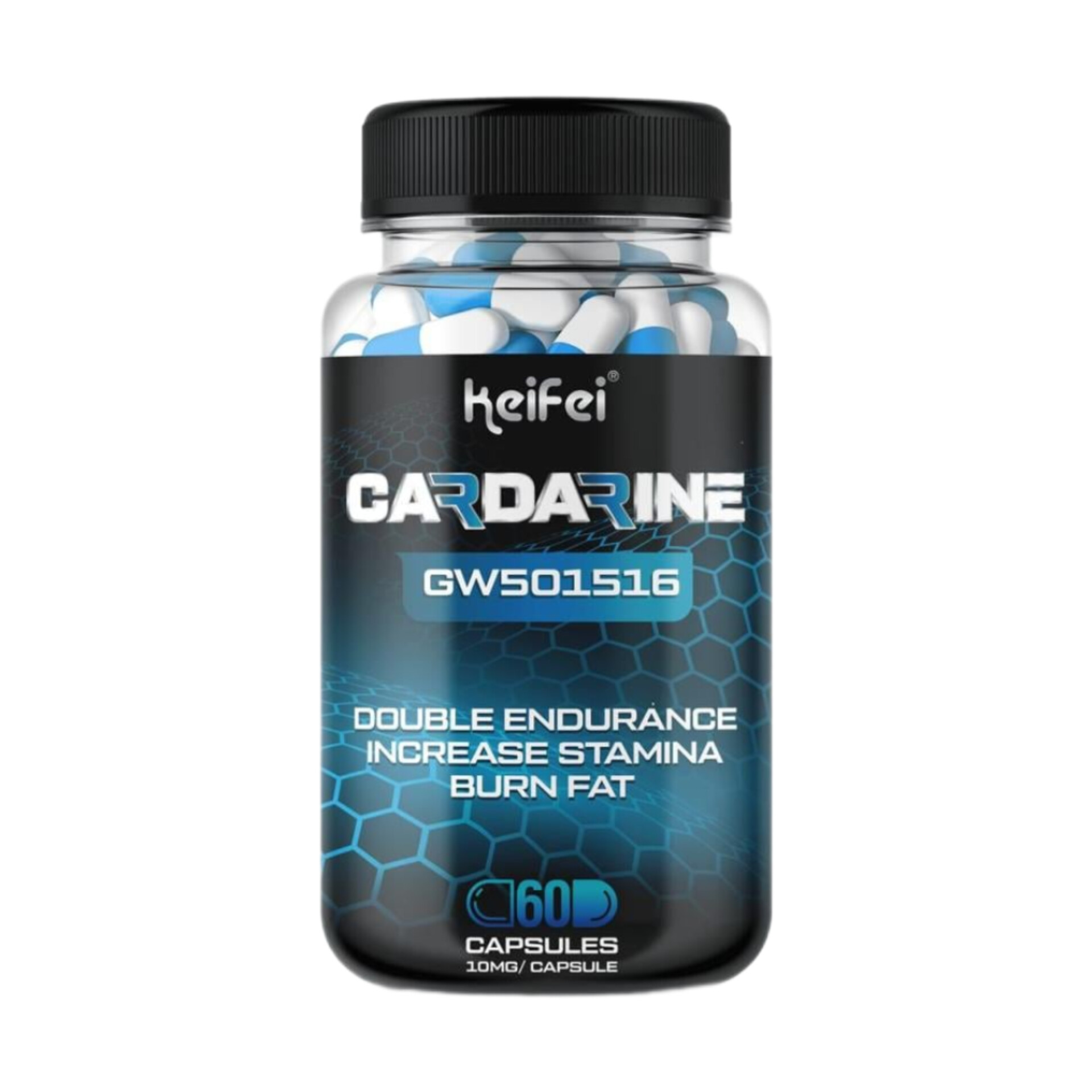
GW-501516 20mg
$65.00
BRAND: KEIFEL
QUANTITY: 60 CAPSULES
GW-501516 (Cardarine) 20mg is a PPARδ receptor agonist. While initially researched for metabolic conditions, its clinical development was terminated. In performance contexts, it is noted for its potential to dramatically increase endurance, promote fat oxidation, and improve cholesterol profiles. Significant safety concerns from preclinical studies exist. Extreme caution is advised.
Pharmacological Profile and History
GW-501516, commonly known as Cardarine, is a selective agonist for the peroxisome proliferator-activated receptor delta (PPARδ). It was originally developed by pharmaceutical companies for potential applications in treating metabolic diseases like obesity, diabetes, and dyslipidemia due to its profound effects on fatty acid oxidation and glucose metabolism. However, all human clinical trials were halted, and development was abandoned after long-term rodent studies demonstrated it caused rapid cancer development in multiple organs (liver, stomach, tongue, skin, testes, ovaries, womb) at all doses administered.
Reported Mechanisms and Effects in Performance Contexts
Despite its abandoned status as a drug, GW-501516 gained notoriety in performance-enhancing circles due to its potent, non-hormonal mechanisms:
-
Extreme Endurance Enhancement: Activates PPARδ pathways to increase the number of endurance (Type I) muscle fibers and stimulates genes that allow muscles to use fat as the primary fuel source. This can lead to a dramatic, sometimes doubling, of workout stamina and aerobic capacity.
-
Fat Loss Catalyst: Shifts metabolism to preferentially burn stored fat for energy, even at rest, which can significantly accelerate lipolysis and improve body composition.
-
Cardiometabolic Improvements: Has been shown to improve insulin sensitivity and dramatically improve blood lipid profiles (increasing HDL “good” cholesterol, lowering LDL and triglycerides) in research models.
Critical Safety Warning and Carcinogenicity
This is the most important section. The potential benefits are far outweighed by the demonstrated risks.
-
Carcinogenic Risk: The rodent carcinogenicity data is the defining characteristic of this compound. Malignancies appeared quickly and at doses very close to those used by humans. There is no safe or proven human dose. The cancer risk is considered serious and plausible in humans.
-
Unapproved Status: It is not a dietary supplement, not a food, and not an approved drug. It is an unregulated research chemical with unknown long-term human effects beyond the animal cancer data.
-
Common Reported Side Effects: Headaches, nausea, fatigue. However, these are trivial compared to the cancer risk.
-
Dosing: The 20mg tablet is a common strength found in the gray market. Any dosing is experimental and unsupported by safety data.
Product Specifications (Informational):
-
Active Ingredient: GW-501516 (Cardarine)
-
Typical Presentation: 20mg tablets or capsules in the gray market.
-
Note: This is not a product manufactured for human consumption under any regulatory oversight.
Our Strongest Possible Warning and Stance
This information is presented to describe the compound’s known pharmacology and the reasons for its notorious reputation. We do not endorse, recommend, or condone the human use of GW-501516 (Cardarine). The carcinogenic risk observed in animals is severe and unacceptable for human use. Numerous safe and legal alternatives exist for improving endurance and body composition (e.g., proper diet, conditioning, approved supplements like caffeine or creatine).
A Safer Path
The desire for improved performance is understandable, but it should never come at the potential cost of long-term health. Consult with a sports physician, nutritionist, or certified trainer to develop safe and effective strategies. The risks associated with this research chemical are real and well-documented.
Be the first to review “GW-501516 20mg”
Related products
Sarms
Sarms

Sarms
Sarms
Reviews
There are no reviews yet.