
NAD+ 500mg
$80.00
YOUR ORDER COMES WITH;
-
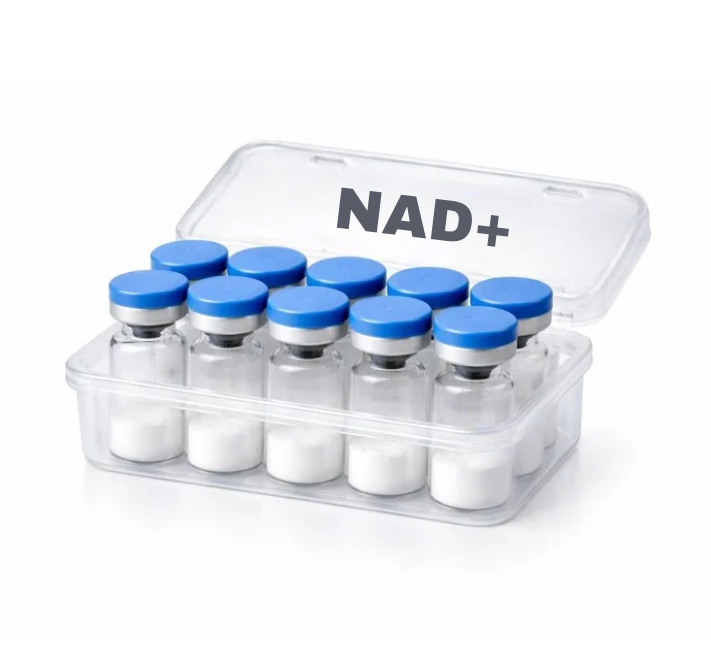
10 VIALS x 500mg of High-Purity NAD+ Research Compound
-
FREE: Sterile Saline Solution (30ml) for reconstitution, Sterile Syringes (1ml & 3ml), and Alcohol Swabs
-
DOSING SCHEDULE: Comprehensive laboratory administration and dosing protocol for cell culture and research models
-
USAGE INSTRUCTIONS: Detailed reconstitution guide, stability parameters, and handling procedures for this sensitive coenzyme
-
A COPY OF LAB RESULTS: Certificate of Analysis (CoA) confirming purity, identity, and sterility
NAD+ (β-Nicotinamide Adenine Dinucleotide) is an essential pyridine nucleotide coenzyme supplied for research into cellular respiration, sirtuin enzyme function, genomic stability, and mitochondrial health. This complete research kit includes all necessary components for standardized experimental studies in biochemistry and cell biology.
Essential Redox Cofactor for Cellular Metabolism & Longevity Research
Nicotinamide Adenine Dinucleotide (NAD+) is a critical, ubiquitous coenzyme present in all living cells, playing a central role in cellular metabolism as a principal electron carrier in redox reactions. In its oxidized form (NAD+), it serves as a crucial co-substrate for key enzymes including sirtuins (class III histone deacetylases), poly(ADP-ribose) polymerases (PARPs), and CD38/157 ectoenzymes, linking its bioavailability directly to fundamental processes of energy metabolism, DNA repair, circadian rhythm regulation, and cellular stress response. Research-grade NAD+ is supplied as a high-purity, lyophilized or crystalline powder for controlled laboratory investigation into age-related NAD+ depletion, mitochondrial dysfunction, and interventions targeting the NAD+/NADH ratio. This compound is intended strictly for in-vitro and non-human in-vivo research to elucidate biochemical pathways governing cellular aging, metabolic disease, and neuroprotection.
Complete Research Kit Contents & Verification
Each research order provides a comprehensive experimental package designed for sensitive biochemical research:
-
Primary Research Compound: 10 sterile glass vials containing 500mg of high-purity β-NAD+ (disodium salt, typically) powder per vial.
-
Reconstitution Solution: 30ml vial of sterile 0.9% Sodium Chloride (Saline) or specialized NAD+ stabilization buffer. Note: Bacteriostatic water is not recommended for NAD+ due to potential degradation from benzyl alcohol; sterile saline is provided instead.
-
Laboratory Administration Tools: Pack of sterile syringes (1ml for precise dosing and 3ml for reconstitution) and alcohol swabs.
-
Research Protocol Documentation:
-
Dosing Schedule: Protocol for research models, including common concentrations for cell culture supplementation (e.g., 1-10mM) and considerations for in-vivo research.
-
Usage Instructions: Critical guide covering light-sensitive and temperature-sensitive handling, rapid reconstitution with cold solution to minimize degradation, short-term storage guidelines (aliquot and store at -80°C), and compatibility with various assay systems.
-
-
Quality Verification: Certificate of Analysis (CoA) provided with each batch, detailing:
-
Purity Analysis (>98% by HPLC, assessing NAD+ vs. degradation products NADH, ADP-ribose, nicotinamide)
-
Identity Confirmation (UV-Vis Spectroscopy – characteristic peak at ~259nm, A250/A260 ratio)
-
Potency/Content Assay (Enzymatic cycling assay)
-
Sterility Testing (for solutions intended for in-vivo research)
-
Endotoxin Levels (<0.1 EU/mg for sensitive cell work)
-
Water Content (for lyophilized form)
-
pH of Reconstituted Solution
-
Research Applications & Scientific Utility
In a laboratory setting, research-grade NAD+ enables investigation into foundational biochemical pathways. Primary applications include:
-
Sirtuin Research: Studying activation of SIRT1-7 and their roles in deacetylation, metabolism, and stress resistance.
-
Mitochondrial Function: Investigating electron transport chain efficiency, ATP production, and mitochondrial biogenesis.
-
Aging & Senescence Models: Researching NAD+ depletion as a hallmark of aging and testing NAD+ repletion strategies.
-
DNA Repair Studies: Examining PARP-mediated DNA repair mechanisms in response to genotoxic stress.
-
Metabolic Disease Research: Exploring NAD+ metabolism in models of obesity, diabetes, and fatty liver disease.
-
Neurodegeneration Research: Investigating the role of NAD+ in neuronal health and models of Alzheimer’s/Parkinson’s disease.
Laboratory Handling & Safety Protocol – CRITICAL
-
Storage: Store unopened vials at -20°C or ideally -80°C, protected from light and moisture. Stability is paramount. Aliquot reconstituted solution immediately and store at -80°C. Avoid repeated freeze-thaw cycles.
-
Reconstitution: Use ice-cold, sterile saline or specified buffer. Work quickly on ice. Gently swirl to dissolve—do not vortex. The solution is highly unstable at room temperature and neutral pH.
-
Light Sensitivity: Perform all handling under low-light conditions. Use amber vials or wrap in foil for storage.
-
Laboratory Safety: Standard PPE (lab coat, nitrile gloves, safety glasses) is required. NAD+ is not highly toxic but should be treated as a potent biochemical.
⚠️ Critical Compliance & Intended Use Disclaimer:
THIS PRODUCT IS SOLD FOR RESEARCH USE ONLY (RUO). NOT FOR HUMAN OR VETERINARY DIAGNOSTIC OR THERAPEUTIC USE.
-
Intended Use: NAD+ is supplied as a biochemical reagent for laboratory research purposes only. It is intended for use by qualified researchers in controlled in-vitro or non-human in-vivo settings.
-
Not for Human Consumption: Under no circumstances is this product intended for intravenous, subcutaneous, or any form of human administration. It is not a drug, anti-aging supplement, or IV therapy ingredient.
-
Regulatory Status: This product has not been evaluated or approved by the FDA or any other health authority for the diagnosis, treatment, cure, or prevention of any disease.
-
Stability Disclaimer: Due to the inherent instability of NAD+, the seller guarantees purity and quantity at time of shipment only. Proper handling by the researcher is essential for experimental validity.
-
Researcher Responsibility: The purchaser assumes all responsibility for compliance with regulations and for the safe, ethical, and appropriate use of this research compound.
Be the first to review “NAD+ 500mg”
Related products
Peptides

Peptides
Peptides

Peptides

Peptides
Peptides

Peptides
Peptides
Reviews
There are no reviews yet.