

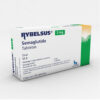
Rybelsus 7mg

Price range: $175.00 through $300.00
Rybelsus® 7mg is the first maintenance dose of the oral GLP-1 receptor agonist for adults with type 2 diabetes. This once-daily tablet provides effective glycemic control following the 30-day initiation period at 3mg, offering a convenient, non-injectable option as part of a comprehensive diabetes management plan.
First Maintenance Level of Oral GLP-1 Therapy
Rybelsus® 7mg tablets represent the first therapeutic maintenance dose in the oral GLP-1 receptor agonist treatment pathway for type 2 diabetes. Following the mandatory 30-day initiation period at 3mg, patients escalate to this 7mg daily dose where the full glucose-lowering effects of oral semaglutide become consistently clinically significant. This maintenance strength delivers enhanced activation of GLP-1 receptors compared to the starting dose, providing more substantial improvements in insulin secretion, glucagon suppression, and gastric emptying regulation—all through the convenience of once-daily oral administration. The 7mg dose serves as either an effective long-term maintenance level for many patients or a step toward the maximum 14mg dose, offering flexibility in treatment optimization based on individual glycemic response and tolerability.
Enhanced Efficacy with Continued Oral Convenience
At the 7mg daily strength, Rybelsus® provides meaningful GLP-1 receptor activation that translates to clinically relevant improvements in glycemic control. Clinical trial data demonstrates that the 7mg dose typically achieves A1C reductions of approximately 1.0-1.2% from baseline when used as monotherapy, with even greater reductions when combined with other diabetes medications. This efficacy, combined with the oral administration route, offers a unique balance of convenience and therapeutic impact. Patients must continue to follow the strict administration protocol—taking the tablet on an empty stomach with no more than 4 ounces of plain water at least 30 minutes before the first food, beverage, or other oral medications of the day—to ensure optimal absorption and consistent therapeutic effect. Many patients find that by the time they reach the 7mg dose, they have established a reliable morning routine that supports consistent medication adherence.
Key Features of Rybelsus® 7mg:
-
First Therapeutic Maintenance Dose: Provides clinically meaningful glycemic control following the 30-day initiation period at 3mg.
-
Oral Convenience with Proven Efficacy: Delivers GLP-1 receptor agonist benefits without injections, supporting long-term treatment adherence.
-
Flexible Treatment Position: Serves as an effective long-term dose for many patients or as a step toward the maximum 14mg dose if additional control is needed.
-
Multi-Factorial Mechanism: Addresses multiple pathophysiological defects in type 2 diabetes, including insulin secretion, glucagon regulation, and gastric motility.
-
Established Administration Routine: By this dose level, patients have typically established the proper morning administration routine critical for medication efficacy.
Clinical Protocol & Administration Guidelines:
-
Dosage Schedule: One 7mg tablet daily, typically following 30 days at 3mg. Take on an empty stomach with no more than 4 ounces of plain water.
-
Critical Administration Instructions:
-
Take at least 30 minutes BEFORE the first food, beverage, or other oral medications of the day.
-
Swallow tablet whole—do not split, crush, or chew.
-
Wait at least 30 minutes after taking Rybelsus® before eating, drinking (except small sips of water), or taking other oral medications.
-
-
Treatment Duration: This dose may be used as long-term maintenance therapy. Patients should be evaluated after 30 days at 7mg to determine if dose escalation to 14mg is warranted.
-
Common Side Effects: Nausea, abdominal pain, diarrhea, decreased appetite, vomiting, and constipation. Gastrointestinal side effects may temporarily increase with dose escalation but typically diminish over time.
-
Important Safety Information:
-
Boxed Warning: Risk of thyroid C-cell tumors. Contraindicated in patients with a personal or family history of medullary thyroid carcinoma (MTC) or Multiple Endocrine Neoplasia syndrome type 2 (MEN 2).
-
Pancreatitis: Discontinue if pancreatitis is suspected.
-
Hypoglycemia: Risk increases when used with insulin or insulin secretagogues; may require dose adjustment of these concomitant medications.
-
Diabetic Retinopathy: Monitor patients with a history of diabetic retinopathy.
-
Acute Kidney Injury: Monitor renal function in patients reporting severe gastrointestinal reactions.
-
-
Medical Supervision: Requires ongoing monitoring of glycemic control, tolerability, and adherence to administration instructions.
| QUANTITY | 30, 60, 90 |
|---|
Be the first to review “Rybelsus 7mg”
Related products
Weight loss & T2 Diabetes

Weight loss & T2 Diabetes
Weight loss & T2 Diabetes
Weight loss & T2 Diabetes
Weight loss & T2 Diabetes

Weight loss & T2 Diabetes
Weight loss & T2 Diabetes
Weight loss & T2 Diabetes
Reviews
There are no reviews yet.